Design in the Age of AI: A Look at Dashboards
This article contains 1154 words and takes approximately 6 minutes to read.
After years of continuous use of AI in workflows and designing more and more AI features into products, AI is already disrupting design. I believe everyone will have a deeper understanding of this in 2026.
Take the Dashboard, which designers love to showcase in their portfolios, for example. The gorgeous charts of various types, visually presenting data, seem like just yesterday. Using them to showcase the achievements of a design system is also quite good, but the emergence of AI has turned everything upside down.
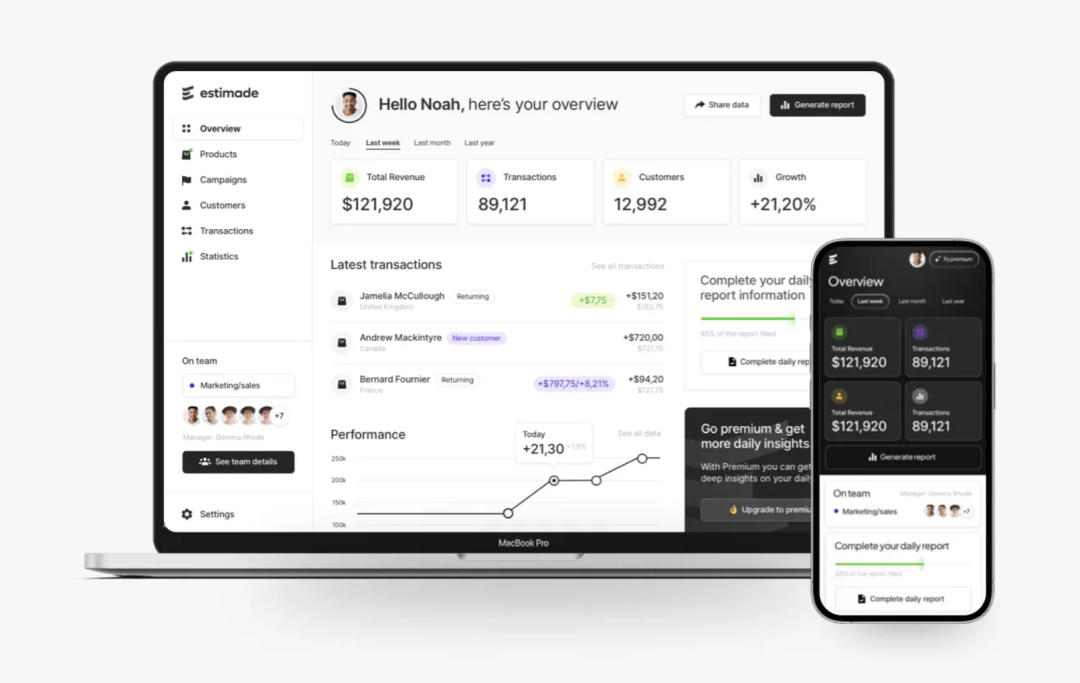
(A dashboard meticulously crafted by designer Michal over several months a few years ago)
Now, with just a few simple style guides and font design rules, AI can generate code-ready Dashboards. It can predict that monotonous designs will cause visual fatigue for users, and we need to consider more personalized design solutions.
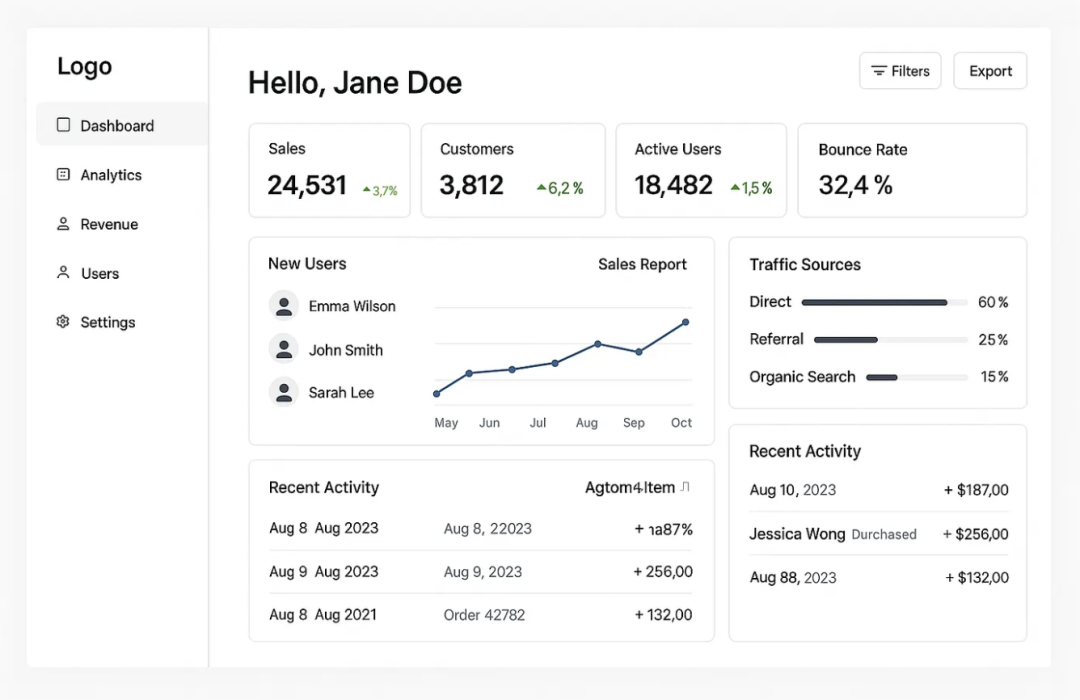
(AI-generated, directly usable dashboard)
The design system of tool-based products cannot be said to be collapsing, but in actual projects, have you also felt countless times that overly detailed design systems and fixed design layouts make product design boring, and make many product interfaces tend to be consistent? It is this consistency that has become a standardized template, so AI can of course quickly learn it and thus be widely applied. Design systems can indeed make interfaces consistent, but too much is as bad as too little, and designs that lose their vitality will also become boring.
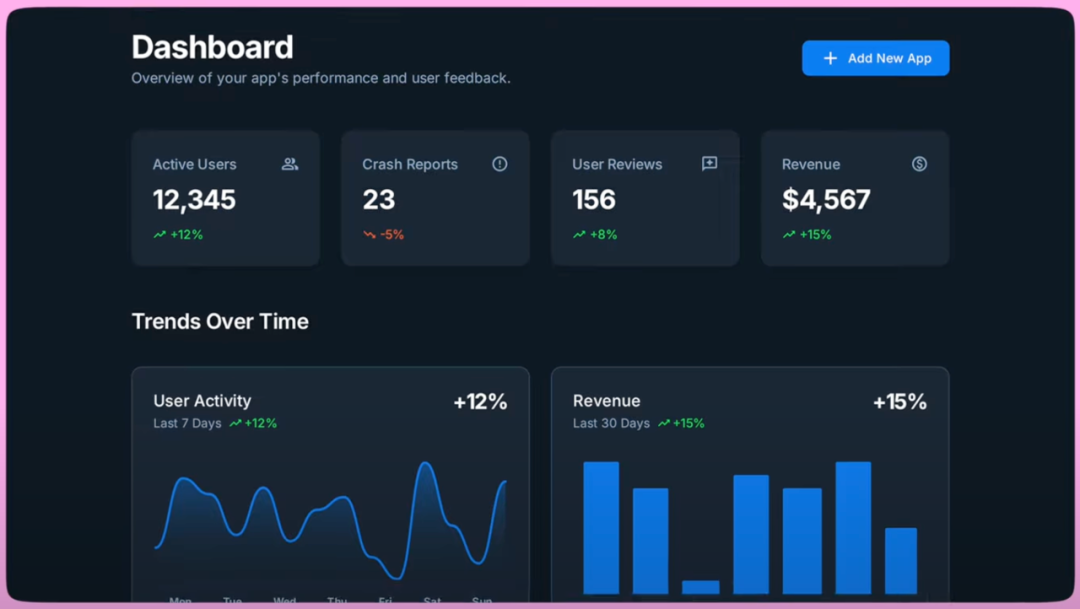
(AI-generated dashboard design)
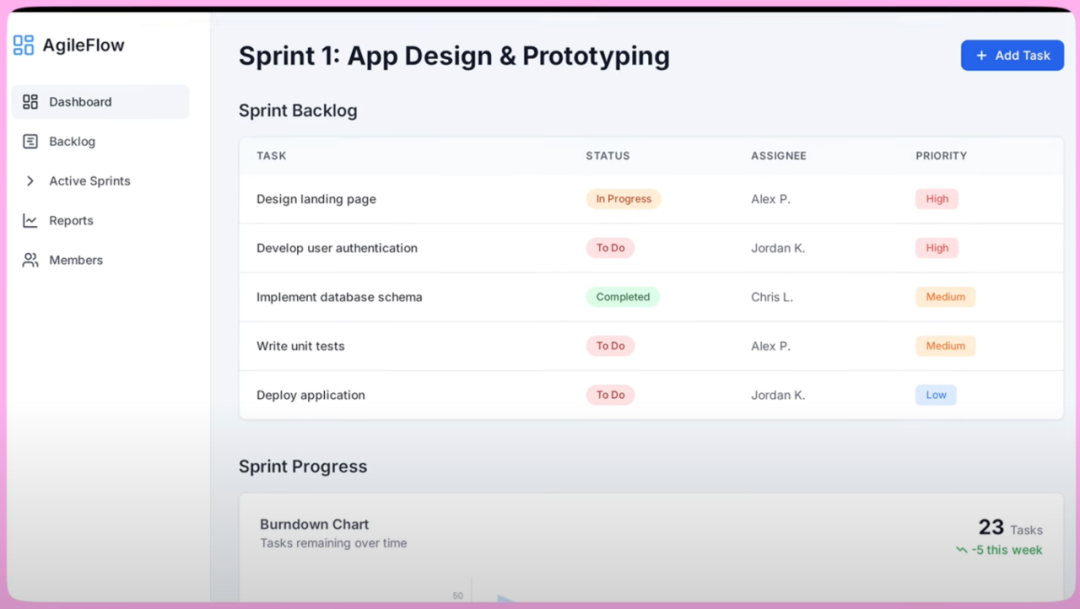
(AI-generated dashboard design)
I have been doing UI design and then product design for 15 years now. I started with PS for interfaces, then Sketch for components, then Figma's Variant and Auto-layout, and now AI tools can directly input requirements to create decent Demos. Designing is becoming more and more convenient and fast, so simple that it seems to be replaced by AI at any time.
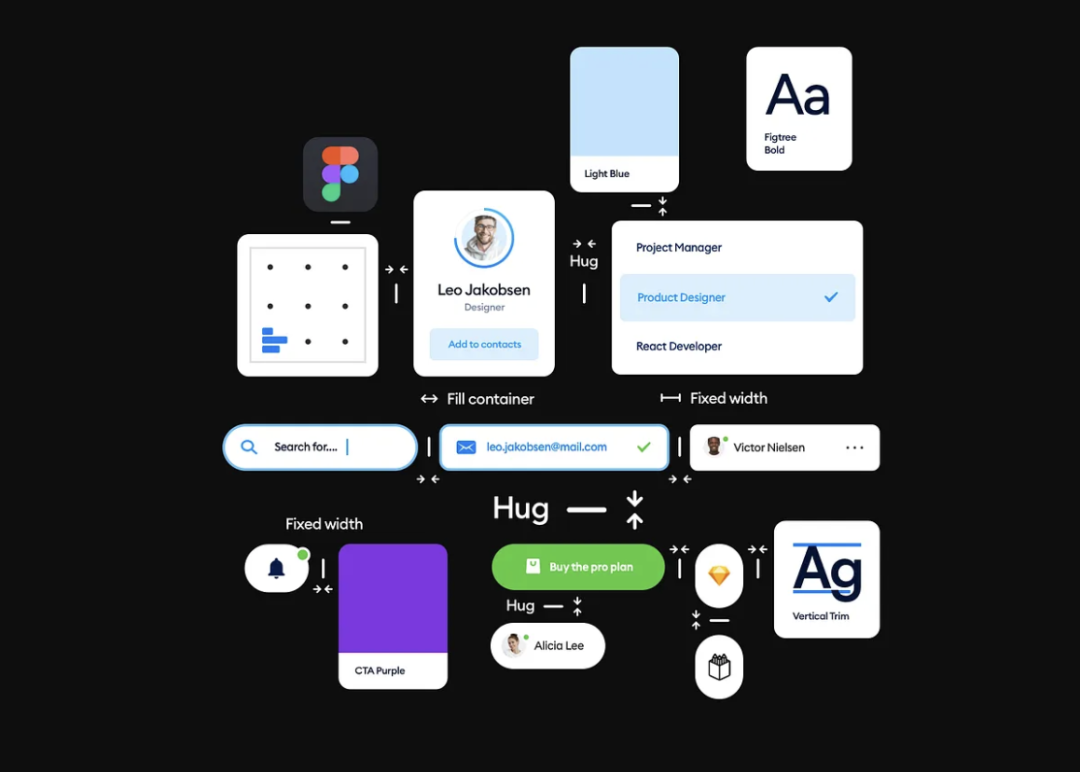
Perhaps humanized and personalized design will set off a wave again. After improving efficiency with AI, we can spend more time on innovation and creativity, improve design quality, and carefully craft for users, so that people can enjoy it!
On the other hand, users are no longer satisfied with seeing our carefully selected data and charts on the Dashboard, but want AI to directly tell them why this is happening, what I should do, and propose must-have or nice-to-have suggestions. Even further, there are corresponding Agents to handle the following issues, such as whether it can be linked to Jira to create tickets, seamlessly connecting workflows, and so on.
One of the projects I'm working on recently is moving in this direction. The current situation is of course that data comes first, placed in a prominent position, with AI assistance. For example, we have been using Pendo to track product usage and view user data. Recently, AI functions have been available on the Dashboard list.
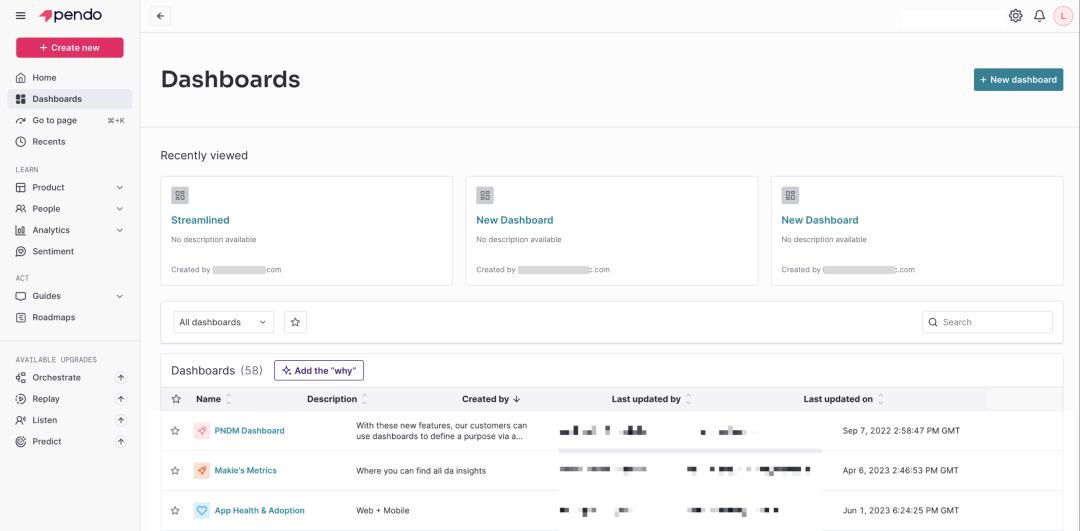
(February 2026, Pendo adds AI analysis "Why" to Dashboard)
Leading companies have already developed their own AI agents. Our company's products have already started deploying AI functions three years ago. For example, Pendo Listen monitors user behavior at any time and uses AI for data analysis, which is indeed a major selling point of the product.
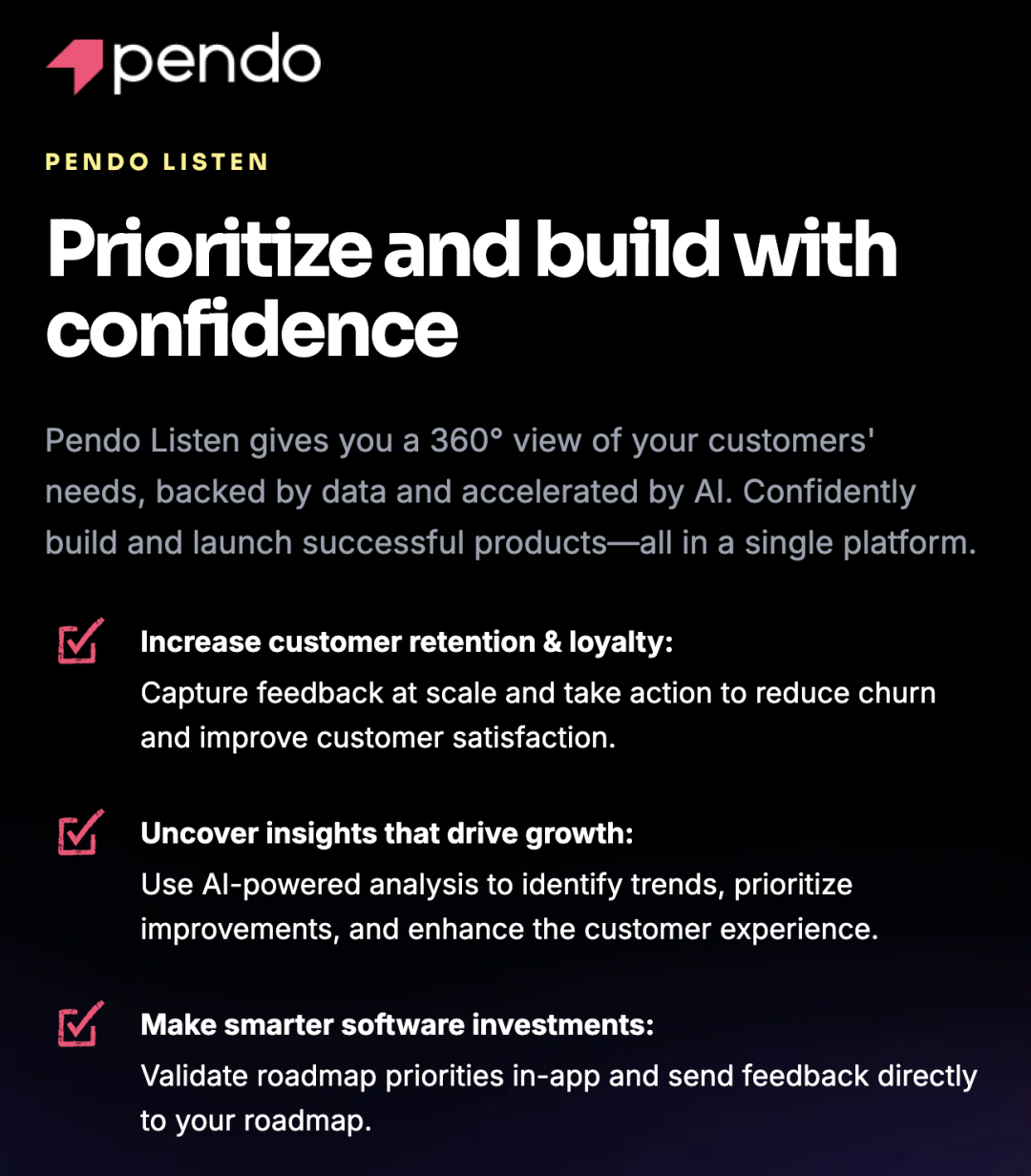
And this selling point will bring huge commercial value to the company. They are already overwhelmingly promoting how good AI functions are. Who won't be a data analysis expert in the future! So as designers, we must also think more about commercial value.
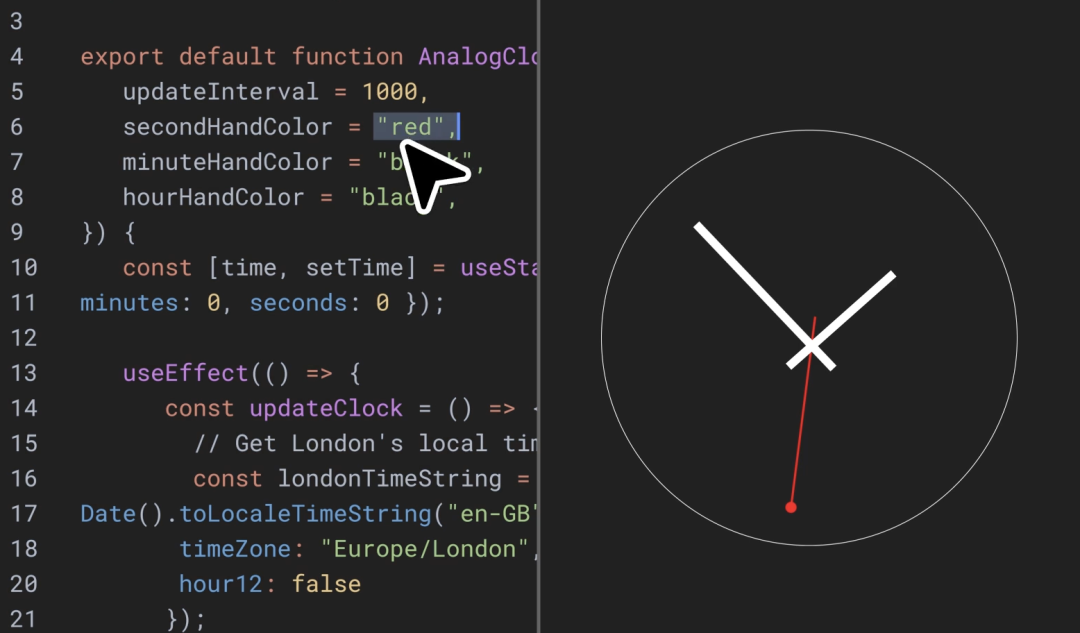
20 years ago, many designers also took care of writing front-end code. Now we can directly generate demos and code in Figma make, Cursor, and GitHub. People who understand a little code knowledge can quickly adjust the demo by modifying the code, instead of communicating with AI language repeatedly. After efficiency is improved, capabilities must also keep up, otherwise what to do after efficiency is improved?
Google recently released A2UI. Our Team is studying it. I will chat about it in detail later. Interested students can also learn about it first. Link: https://developers.googleblog.com/introducing-a2ui-an-open-project-for-agent-driven-interfaces/
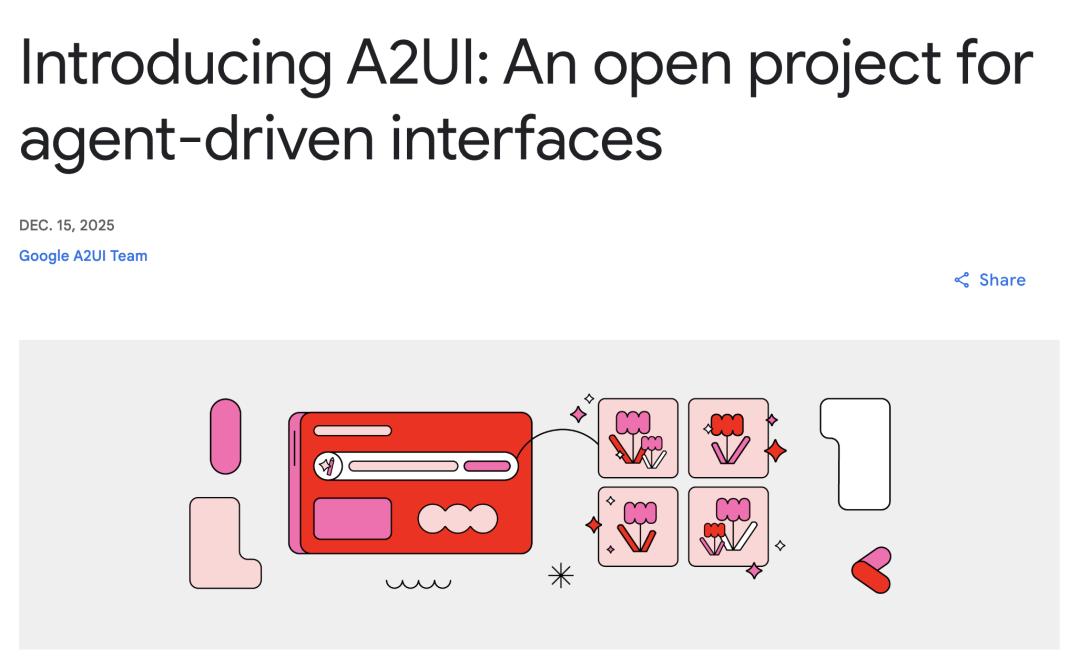
UI agents have been made for us, and Dashboard design is even easier.