From Editor to Director
The essence of video creation is changing.
For the past decade, we've been optimizing editing tools—faster timelines, more effects, smarter transitions. But we've been asking the wrong question. The question isn't "How to edit faster," but "Why is editing even needed anymore?"
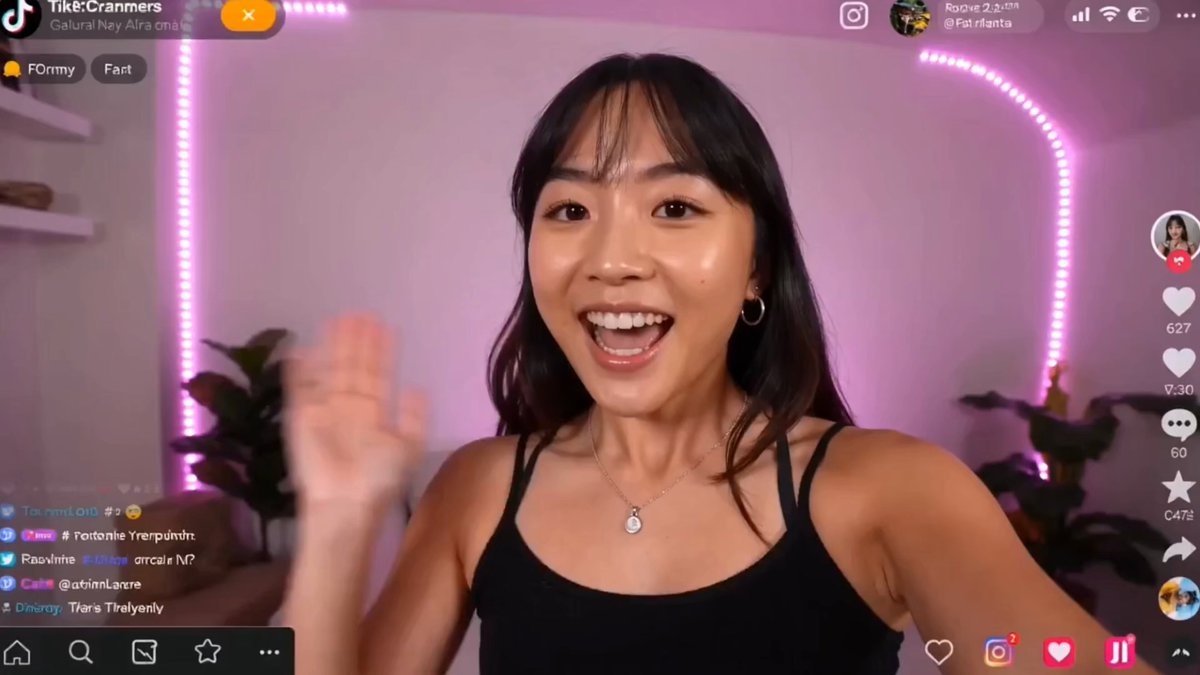
The integration of NemoVideo and Seedance 2.0 essentially turns creators from "operators" into "directors." You no longer adjust frame by frame, but describe the intention in natural language. The system is responsible for execution.
This sounds like another "AI revolution" marketing ploy. But look closely, it solves a deeper problem.
Viral videos aren't luck. They have replicable structures: hooks, rhythm, emotional curves. Most creators fail not because of a lack of creativity, but because they don't know how to translate ideas into effective structures. Traditional editing tools assume you already know the answer. They are only responsible for making you execute faster.

NemoVideo takes a different approach. It first analyzes what is spreading and then helps you reverse engineer it. You enter ideas, and it outputs structures. Not templates—logic.
"Your videos aren't underperforming because of the algorithm. They're underperforming because they're not engineered for retention." — @viipin8
This hits the core. The algorithm is not the enemy. The enemy is guesswork.
Of course, this is the ideal state. Reality is more complex. Someone on Twitter complained that Seedance 2.0 features are not fully open, and some accounts are "selling things that don't exist yet." This is the norm for new technology promotion—promises always run ahead of delivery.
But the direction is right. From the perspective of "Reach is random, retention is designed," the future of video creation is not more tools, but less guesswork. Creators' time should be spent judging "whether this idea is worth doing," rather than "what effect to use for this transition."
I suspect that in five years, the profession of "editor" will become as historical as "typist." Not disappearing—upgrading. Everyone is a director, and AI is the execution team.
Is this a good thing or a bad thing?
It's a good thing for creators. The barrier to entry is lowered, and the freedom of expression is increased. For professional editors, it's a challenge. Skills are devalued, but the value of judgment rises.
The bigger question is: when everyone can make videos with "viral structures," what will distinguish good content from noise?
The answer may be: taste.
The more powerful the tools, the more important taste becomes. When technology reduces the cost of execution to zero, the only thing left is choice—choosing what to say, choosing what not to say, choosing what to insist on in the noise.
This may be the real meaning of this revolution.