Kubernetes Failures Don't Shout, They Whisper
Kubernetes failures are rarely loud.
"Kubernetes outages are rarely loud. They whisper until users scream." — @syssignals
This sentence captures the essence of K8s. Pods don't crash, they quietly enter CrashLoopBackOff. Services aren't down, but health checks start failing. Nodes aren't offline, but become NotReady.
By the time someone screams, the problem has been spreading for ten minutes.
If Your Cluster Is Stable, You're Probably Doing It Wrong
"If your Kubernetes cluster is stable, you're probably doing it wrong." — @Kiplongu
This is certainly a joke. But there's truth behind every joke.
The design philosophy of Kubernetes is: assume everything will fail, and then automatically recover when it does. If your cluster never has problems, either you're running workloads that are too simple, or you simply haven't noticed the problems.
Go's Dominance
An observation:
"Kubernetes is written in Go. Docker (engine) is written in Go. containerd is written in Go... Golang is something you cannot ignore in 2026." — @_jaydeepkarale
This is no coincidence. Go's concurrency model, compilation speed, and single binary deployment make it the default language for cloud-native infrastructure.
You don't have to be proficient in Go. But if you work in the K8s ecosystem, you should at least be able to read Go code.
The Invisible Work of API Governance
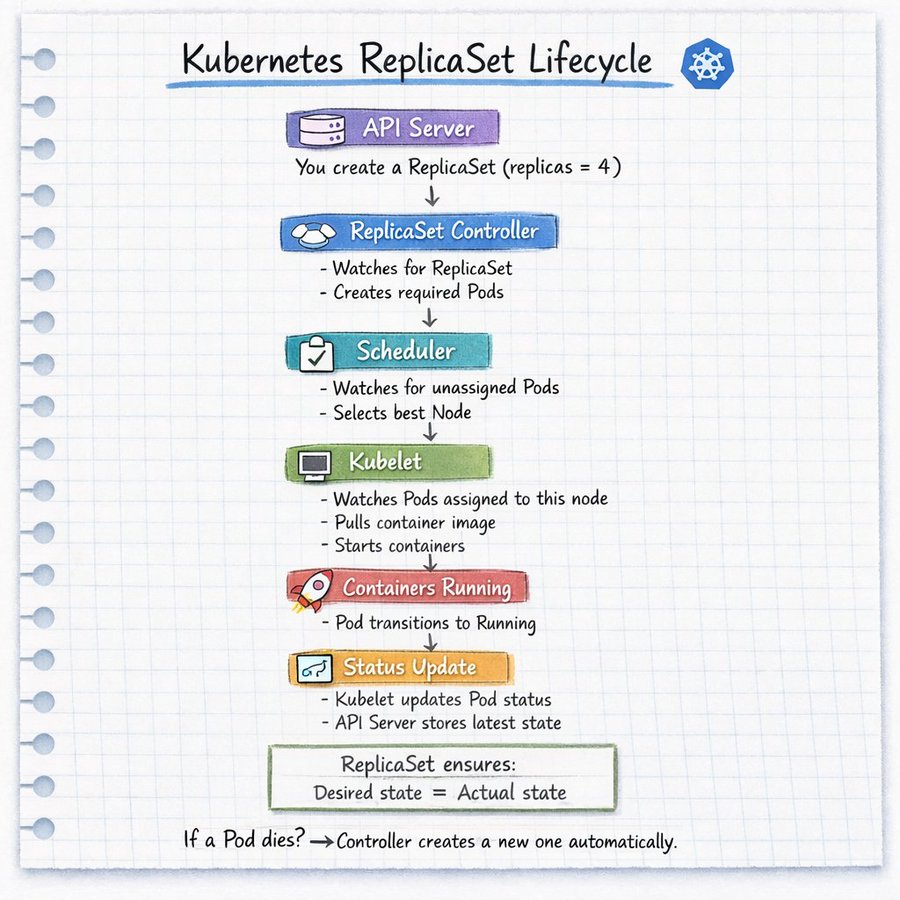
Jordan Liggitt of SIG Architecture mentioned a key point in an interview: API governance ensures stability while enabling innovation.
APIs are more than just REST. It includes flags, config files, CRDs. One of the focuses of governance work is to guide CRD authors to maintain backward compatibility.
This is work that users don't see. But it is this invisible work that allows K8s to upgrade smoothly with each version.
Glasskube and the Chaos of Enterprise Deployments
A Japanese user wrote:
"Enterprise software deployment is too complex. On-prem, Kubernetes, Docker... it's chaos. Time for a unified platform like Glasskube."
This reflects a real pain point. K8s solves the orchestration problem, but introduces new complexity. The deployment, management, and updating of enterprise software is still a nightmare.
Glasskube attempts to solve this problem: unifying software management across on-prem, VPC, and air-gapped environments.
Conclusion
Kubernetes is successful. It won the container orchestration war.
But the price of victory is complexity. Every K8s engineer knows that feeling: the cluster looks normal, but you just can't sleep.
Because failure never shouts. It only whispers while you sleep.