Meta vs. TikTok Ad War: The Truth Behind the Data
When the Spanish government announced investigations into X, Meta, and TikTok for allegedly spreading AI-generated child sexual abuse material, the crisis revealed a larger issue: the eternal tension between platform responsibility and commercial interests.
But what's more noteworthy is another war being waged between platforms – the battle for advertising efficiency.
The Truth About Customer Acquisition Cost
A data point from a Japanese marketer is quite interesting:
"Meta ads are indeed stronger" – this isn't a subjective judgment, but a "fact" repeatedly verified by on-site numbers.
Comparison results of three media ads: TikTok: 8,900 yen/customer acquisition, Demographic: 7,700 yen, Meta: 2,200 yen.
Meta's customer acquisition cost is a quarter of TikTok's. This isn't just an efficiency difference – it's a fundamental difference in business models.
The Essential Difference in Platform Strategies
Meta and TikTok represent two distinctly different advertising platform strategies:
Meta (Facebook/Instagram):
- Precision targeting based on social graph
- Over 15 years of accumulated user behavior data
- Mature tools for advertisers, predictable ROI
- Conversion funnel optimized to the extreme
TikTok:
- Traffic distribution based on content recommendation
- Algorithm prioritizes content quality over user profiles
- High potential for viral spread, but low predictability
- Suitable for brand exposure, conversion efficiency needs improvement
This explains why Meta can acquire customers at a quarter of the cost with the same advertising budget. TikTok's algorithm is unmatched in its ability to make content go viral, but when advertisers demand predictable conversions, Meta still holds the advantage.
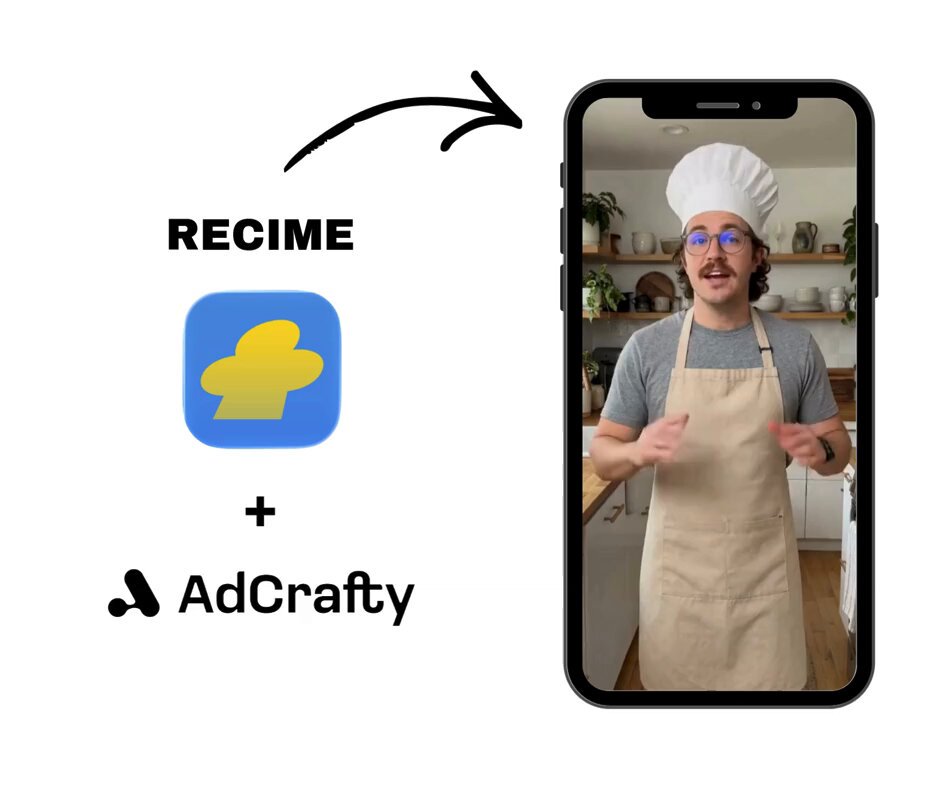
Niche Authority: Content Format Preferred by Algorithms
Interestingly, both platforms' algorithms are currently promoting the same type of content format:
"Meta and TikTok algorithms are currently obsessed with a specific format: Niche Authority."
This format requires creators to establish a professional image in a specific field, building trust through continuous vertical content accumulation. This isn't accidental – platforms want users to see "useful" content, not just pure entertainment.
For advertisers, this means:
- Advertising content needs to be "useful" rather than "fun"
- Long-term brand building is more important than short-term viral hits
- The value of KOLs (Key Opinion Leaders) in vertical fields is increasing
The Victory of Long-Term Thinking
A noteworthy tweet comes from @sourfraser:
"We made these ads two years ago. They're still the best performing on this account. Put $224k in, got nearly 5000 purchases.
Don't kill ads after two weeks because CPA goes up slightly. Build evergreen content because it lasts."
This aligns with the platform algorithms' preferences: both platforms reward long-term value rather than short-term arbitrage.
The Significance of Regulatory Pressure
The Spanish investigation isn't an isolated case. The EU, UK, and US are all strengthening regulations on social media platforms. For advertisers, this means:
- Limited Data Acquisition: Privacy regulations make precise targeting more difficult.
- Strengthened Content Moderation: Compliance risks for AI-generated content are increasing.
- Increased Platform Responsibility: The cost of violations may be passed on to advertisers.
Meta's maturity becomes an advantage here – it has a more complete compliance system and a more mature crisis response mechanism.
Strategic Implications
For advertisers, choosing between Meta and TikTok isn't an either/or decision, but a matter of budget allocation:
- Conversion-Oriented Budget: Prioritize Meta, where customer acquisition costs are controllable.
- Brand Exposure Budget: TikTok offers greater potential for viral spread.
- Long-Term Content Investment: Both platforms require an "evergreen" strategy.
The essence of the platform war isn't who has better technology, but whose business model better meets the needs of advertisers. Currently, Meta leads in conversion efficiency, but TikTok maintains an advantage in content innovation.
For advertisers, understanding this difference is more important than chasing trends.