Stop Manually Crafting Prompts: Claude Code Has a Complete Template System
Stop Manually Crafting Prompts: Claude Code Has a Complete Template System
Many people feel a subtle sense of disappointment when they first use Claude Code:
The model is powerful, but I have to "teach it how to work" every time.
But this is not your fault; it is a problem with the tool's form.
Claude Code itself is just a "conversational programming engine." To enhance user development efficiency and experience, Anthropic has created an extensible template/plugin ecosystem and CLI management tool called claude-code-templates, allowing you to add intelligent agents, automated commands, external service integrations, monitoring tools, etc., to Claude Code like installing plugins, significantly accelerating the setup, management, and optimization of your workflow.
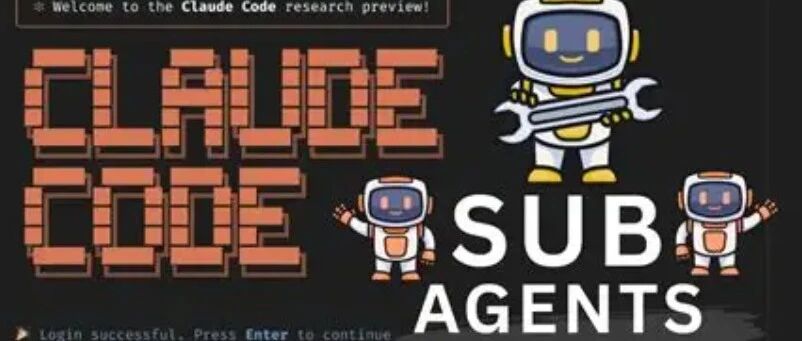
The only thing that claude-code-templates does is to solidify the "experience of repeatedly teaching AI" into reusable, installable, and combinable capability modules.
In this article, we will thoroughly break it down.
01 Introduction to claude-code-templates
claude-code-templates = Claude Code's template/plugin ecosystem + official-level CLI manager
https://github.com/davila7/claude-code-templates It does not "wrap another layer of AI" but accomplishes three very engineering tasks:
- Break down Claude Code's capabilities into standardized components
- Use CLI to make these components installable, combinable, and reusable
- Provide the entire ecosystem with a web browser (aitmpl.com)
VS Code + Plugin Market
Only the editor has been replaced with Claude Code, and the plugins have been replaced with AI behavior templates.
02 What Problems Does claude-code-templates Solve?
First, let’s talk about a pitfall that all Vibe Coding players have encountered.
1. Context is One-Time Only
You tell Claude:
- You are a meticulous Python reviewer
- Follow PEP8
- Analyze before giving code
What templates do: solidify these "role settings + behavior constraints + output structures" into an Agent template.
2. Repeating Prompt Creation for Each Project
- How to make AI write reliable unit tests?
- How to make it review PRs like a senior engineer?
- How to force it to provide a plan first during refactoring?
3. Claude Code Itself "Does Not Act Automatically"
Claude Code is passive by default; it does not act unless prompted.
Templates introduce:
- Hooks (automatic triggers)
- MCP (external system access)
03 Core Components of claude-code-templates
No frills, directly broken down by capability.
1. Agents: Upgrading "Prompts" to "Roles"
An Agent essentially = a long-lasting system prompt.
Typical Agents include:
- Senior Code Reviewer
- Test Engineer
- Security Auditor
- Refactoring Expert
- Documentation Writer
Who does AI default to being in this project?
The engineering intuition is simple:
- Prompts are one-time
- Agents are stateful assets
2. Slash Commands: Turning Processes into Commands
Slash Commands are the most practical part of claude-code-templates.
For example:
- /review: code review
- /add-tests: add tests
- /refactor: structural refactoring
- /explain: explain complex logic
- /optimize: performance optimization
- Input format
- Analysis steps
- Output structure
3. Hooks: Allowing AI to Automatically "React"
Hooks are an advanced capability that many people do not realize.
They allow you to define:
- When a file changes
- When a test fails
- When a PR is created
The significance of this step is:
Claude Code is no longer just a chat partner but an "automated participant" in the project.
4. MCP (Model Context Protocol): Connecting to the Real World
MCP allows Claude Code to:
- Read GitHub
- Query databases
- Call APIs
- Connect to internal tools
AI no longer relies solely on you to provide context but can "fetch information on its own."
claude-code-templates provides MCP access templates to help you avoid pitfalls.
04 How to Use claude-code-templates?
1. CLI Installation
npx claude-code-templates@latest This step gives you not a "template" but an interactive installer.
2. Browse Templates (Highly Recommended)
Open: https://www.aitmpl.com
This is the official web directory for claude-code-templates.
You can:
- Filter by type (Agent/Command/Hook/MCP)
- View the purpose of each template
- Directly copy installation commands
3. Install the Capabilities You Need
For example, to install a code review Agent:
claude-code-templates install agent senior-code-reviewer To install a command:
claude-code-templates install command review The key point: they are not "examples" but directly enter your Claude Code environment.
- Agent: Senior Engineer
- Command: /review + /add-tests
- Hook: automatic review on file changes
- You finish coding
- Claude automatically reviews
- Finds issues and gives suggestions
- You use /add-tests to add tests
You are writing code, and AI is acting as a colleague.
05 The Essential Difference Between claude-code-templates and "Regular Prompt Repositories"
Many people will ask: isn't this just a bunch of prompts?
The engineering answer is clear:
Prompt Claude Code Templates one-time install manual copy CLI management stateless persistent effectiveness non-combinable Agents + Commands + Hooks The difference is not "how well it's written," but rather "can it be used long-term."
This is where Claude Code truly "becomes stronger."
Claude Code itself is an engine. claude-code-templates is the transmission, brakes, and autopilot system.
It transforms AI programming from:
Impromptu performances into a "cumulative, reusable, and evolving engineering system."