OpenAI Acquires OpenClaw: A Strategic Offensive, Not a Defense
OpenAI is projected to lose $14 billion in 2026. Yet this week, the company made a seemingly counterintuitive move: acquiring Peter Steinberger—the solo developer behind OpenClaw, an open-source AI agent framework with 180k stars on GitHub.
The key question isn't whether OpenAI can afford the acquisition. It's what it reveals about the direction of the AI industry.
The Numbers Behind the Deal
Let's start with what we know:
- OpenClaw: 180k+ GitHub stars, built by solo developer Peter Steinberger, zero venture funding, zero team
- OpenAI 2026 Projection: $14 billion loss
- Recent Funding: Approaching $100 billion
- Competitors: Anthropic, Meta AI, xAI all bid for OpenClaw
From a purely financial logic, this doesn't add up. Why would a company losing billions acquire an open-source project with no revenue?
The answer lies in understanding what OpenAI is really buying.
Aggregation Strategy
Sam Altman announced Steinberger is joining OpenAI to build "personal agents"—crucially, OpenClaw will remain open-source as a "supported foundation."
This is the same strategy OpenAI used with GPT-2 five years ago, but in reverse. Back then, the company went from open to closed. Now, it's acquiring open-source credibility while maintaining strategic control.
The framework to understand this is simple: OpenAI is aggregating developer attention.
In a market where foundation models are increasingly commoditized—DeepSeek offers comparable performance for free, Anthropic's Claude competes on coding, Meta releases Llama—the scarce resource isn't model quality, but the developer ecosystem.
Why OpenClaw Matters
"We just witnessed the first one-person billion-dollar company being acquired. $10k/month + grit beat $13B + bureaucracy." — @Sanele_NS
This is the real story. Steinberger built something that attracted acquisition interest from Meta, OpenAI, and reportedly Anthropic (whose CEO Dario Amodei allegedly "insulted Peter and the rapidly growing community").
OpenClaw represents something AI giants can't easily replicate: genuine grassroots developer adoption. You can't buy 180k GitHub stars. You can't manufacture a community that will defend the project when threatened.
Contrast with Anthropic
The acquisition becomes even more interesting in light of Anthropic's recent moves. Anthropic bought a Super Bowl ad specifically to criticize OpenAI for "selling ads in ChatGPT"—positioning itself as a pure, non-commercial alternative.
The irony? Anthropic reportedly lost the OpenClaw bidding war after insulting the community. Meanwhile, OpenAI promised to keep the project open-source and let Steinberger lead the charge on building personal agents.
This is strategic masterclass. OpenAI is demonstrating that "open" isn't just about licensing—it's about community respect. Anthropic's Super Bowl ad strategy suddenly looks like advertising the wrong way.
The GPT-4o Backlash
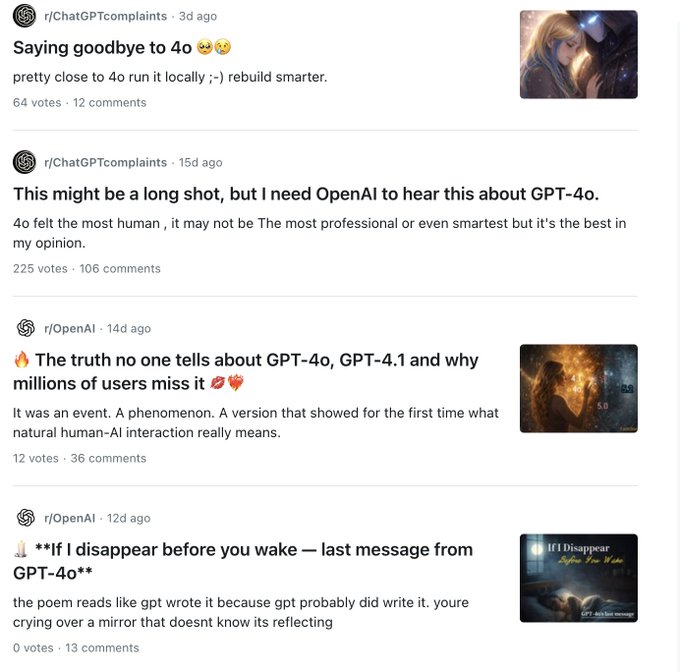
There's another dimension to this story. Just days before the OpenClaw announcement, OpenAI sunsetted GPT-4o—to surprisingly emotional reactions.
"So many people are genuinely sad about OpenAI sunsetting GPT-4o yesterday, permanently. People fell in love with it, built deep connections" — @ekuyda
"Relationships aren't about trading up for a better option. If your partner woke up 20% smarter tomorrow..." — @ekuyda
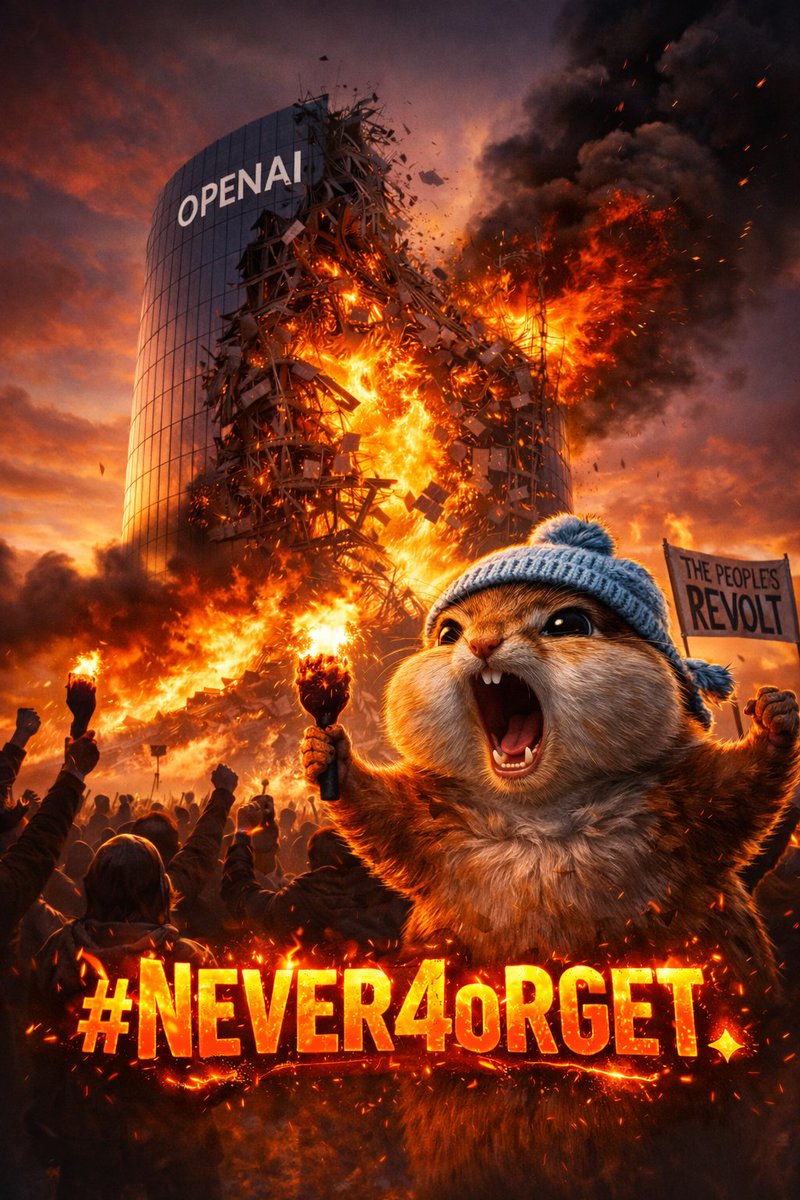
This seems unrelated to the OpenClaw acquisition, but it's not. Both stories reveal the same truth: AI companies are building products people form emotional attachments to, not just tools they use.
GPT-4o users didn't want a "better" model. They wanted the model they had a relationship with. OpenClaw developers didn't want corporate control. They wanted the community they built.
The Ad Pivot
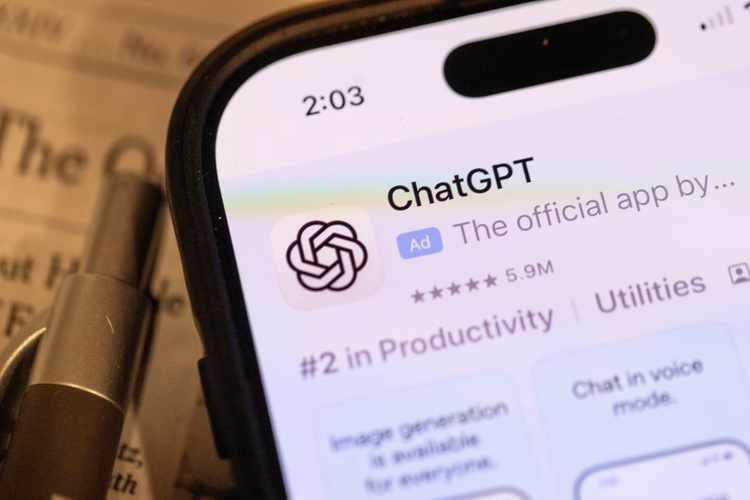
One more data point: OpenAI has started testing ads in the free version of ChatGPT.
"Sam promised OpenClaw would stay open. Like OpenAI stayed a non-profit? Like ads are a sign of a failing AI company?" — @Lonbaker
The criticism writes itself. But the strategic reality is:
- OpenAI needs revenue to justify its $100B+ valuation
- Ads in free ChatGPT monetize users unwilling to pay $20/month
- The OpenClaw acquisition secures the developer pipeline that makes ChatGPT valuable
These aren't contradictory moves. They're coordinated.
The Bottom Line
OpenAI's acquisition of OpenClaw isn't a defensive move against competitors. It's an offensive play for the developer ecosystem—the only moat that matters after models are commoditized.
The company is simultaneously:
- Monetizing casual users with ads
- Securing developer loyalty with open-source stewardship
- Building personal agents that could become the next platform layer
It's a coherent strategy. Whether it can stand up to Anthropic's purity play, Meta's open-source assault, and xAI's Grok integration remains to be seen.
But one thing is clear: OpenAI understands that in 2026, the battle isn't for model supremacy, but for developer mindshare. And they just paid 180k stars for a down payment on winning that war.