OpenAI is No Longer OpenAI
In 2015, Elon Musk and Sam Altman co-founded OpenAI. The name itself explains the mission: open-source artificial intelligence to counter Google's closed monopoly.
"I named it OpenAI, meaning open source. Its original intention was: What is the opposite of Google? An open-source non-profit organization." — Elon Musk
Ten years later, OpenAI quietly removed the words "safely" and "without financial motive" from its mission statement. Then it acquired the founder of OpenClaw.
This is not a transformation. This is a betrayal.
The Technical Roots of Mission Drift
I've done enough infrastructure work to know how this happens.
Initially, you have a lofty goal. Then you need money to buy GPUs. Then you need more money to buy more GPUs. Then investors demand returns. Then you start talking about "sustainability" and "long-term impact."
"OpenAI is expected to lose $14 billion in 2026." — @remarks
$14 billion. This is not a charity's number. This is the number of a business that needs to scale revenue. When you're burning through a billion dollars a month, "open" and "non-profit" become luxury concepts.
Codex: A Victory for Platform Strategy
Meanwhile, OpenAI has achieved real success in one area: developer tools.
"Codex users tripled in 6 weeks. This is not luck—it's a platform strategy: application → model → acquisition → price lock-in." — @LanYunfeng64
This is a classic platform play. First, build a user base, then control key resources, and finally lock in pricing power. Microsoft did this back in the day. Google did this too. Now OpenAI is doing it too.
But this goes against being "open."
India: The Revelation of 100 Million Users
Sam Altman announced that India has 100 million weekly active ChatGPT users. This is an important milestone, but it reveals a deeper problem:
"73% is personal use, 27% is for work. The gender gap is closing rapidly (from 80% male to 50/50). The most popular use? Writing assistance, not programming. People want an AI advisor, not a replacement." — @Sider_AI
This is not the professional tool that OpenAI originally envisioned. This is a consumer-grade product. And consumer-grade products require consumer-grade business models—subscriptions, advertising, data monetization.
Musk's Anger
Elon Musk's anger is more than just a personal grudge:
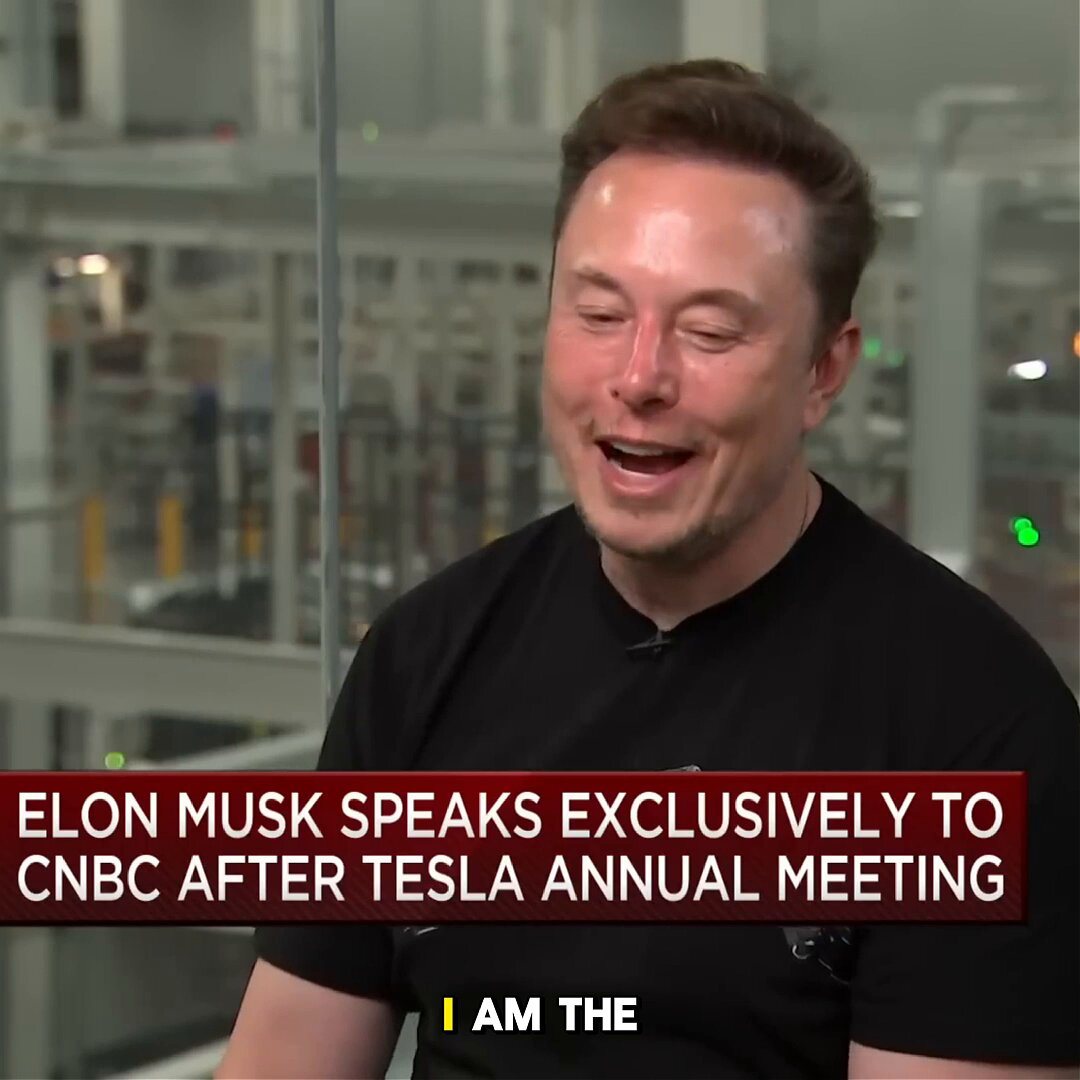
"I don't trust OpenAI, I don't trust Sam Altman. I founded this company as a non-profit open source. The Open in OpenAI refers to open source. Now it is extremely closed and pursues profit maximization." — Elon Musk
He's right. But he ignores the reality when he says this: OpenAI has no turning back. $14 billion in annual losses does not allow for idealism.
Technical Reality
As a technologist, I'm more concerned about another question: what does it mean for the ecosystem when OpenAI becomes "another big tech company"?
- API Lock-in: The more Codex users there are, the higher the migration cost.
- Model Closure: The technical details of GPT-5 will never be made public.
- Competition Distortion: Startups can only innovate in areas that OpenAI allows.
This is not a problem unique to OpenAI. This is the common path of all platform companies. But when a company's name itself is "Open," this transformation is particularly ironic.
The Next Question
Will OpenAI "eat Microsoft"? Musk thinks so.
I'm more concerned about: who will fill the void left by OpenAI? The open-source community? Anthropic? China's DeepSeek?
There is no definite answer to this question. But one thing is clear: OpenAI is no longer the OpenAI of 2015. The name is still there, but the soul is gone.