Uber's European Expansion: The Platform Logic Behind the $1 Billion Bet
Uber is entering seven new European markets. This is a $1 billion decision.
Data First
According to reports from Reuters and the Financial Times:
- Target Markets: 7 European countries including Czech Republic, Greece, and Romania
- Expected Revenue: $1 billion increase in GMV within 3 years
- Timeline: Launch in 2026
This is not a random expansion. The timing is noteworthy—just after Getir announced its exit from the European market.
The Logic of Platform Strategy
Uber's core asset has never been its fleet, but rather the two-sided network effect.
The food delivery business is easier to scale than ride-hailing, for a simple reason: drivers don't need to hold specific licenses. A delivery rider can start working in any city, as long as Uber can sign up enough restaurants.
This explains why Uber is choosing food delivery rather than ride-hailing as its entry point for expansion in Europe. Taxi regulations in Europe are far stricter than in the United States, while food delivery regulations are relatively relaxed.
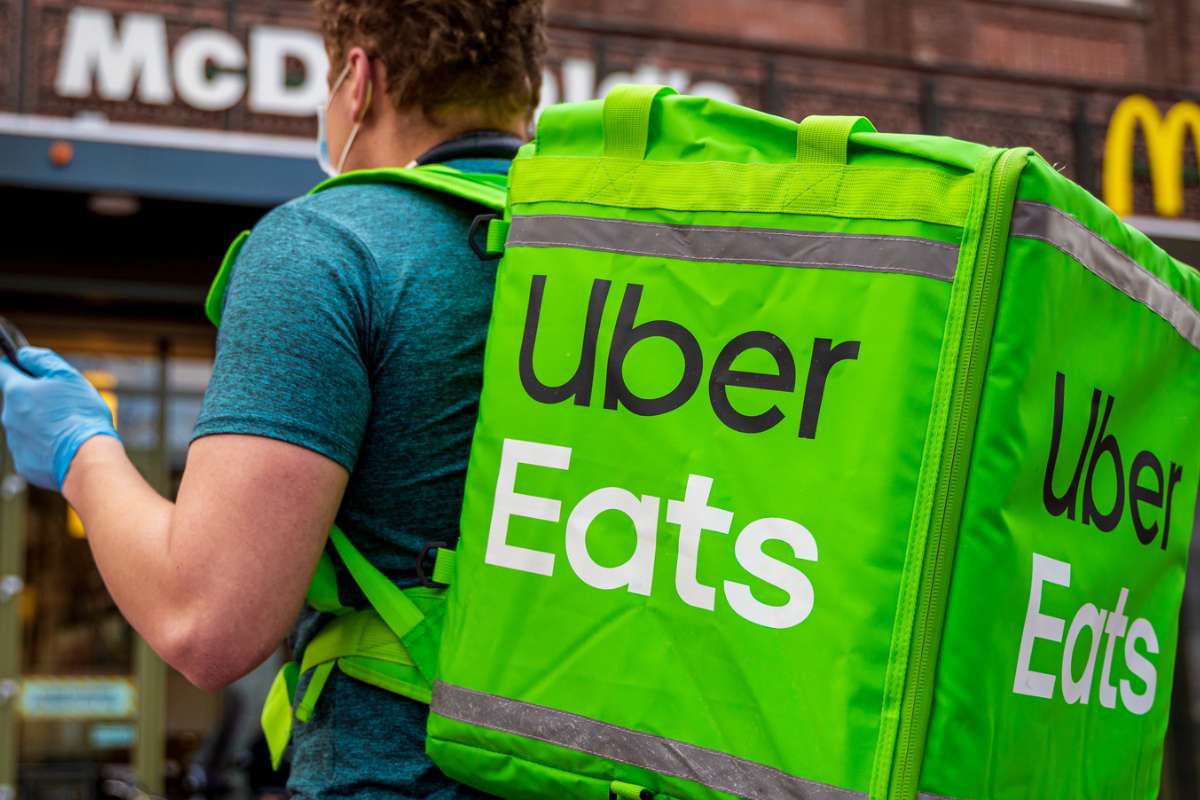
Enterprise Wired reports that this expansion is a strategic move by Uber to fill the market gap after Getir's retreat.
Competitive Landscape
The European food delivery market is not empty:
- Deliveroo: Dominates the UK market
- Just Eat Takeaway: Pan-European presence
- DoorDash: Has entered some markets
But Uber has a unique advantage: cross-category synergy. A user who already uses Uber for ride-hailing has almost zero barrier to downloading Uber Eats. Customer acquisition costs are amortized to near zero.
"Uber dünyanın her yerinde benim için medeniyettir" — @umuterdal111
This Turkish tweet means: "Everywhere, Uber is a symbol of civilization to me." The value of the platform lies in predictability—users know what kind of experience they will get.
Hidden Worries
Expansion is not free.
There is a noteworthy voice on X:
"A 76-year-old man works for Uber after running out of savings, in the US: 'I don't know how much longer I can drive'" — @libertatea
This is not an isolated phenomenon. The labor issues of the gig economy have always been Uber's soft spot. European labor protection laws are stricter than in the United States, and Uber may face new regulatory challenges.
Another data point:
"This guy made $15 after several deliveries in two hours for Uber Eats. Is it worth it for your time and gas money?" — @SaltyBitch_52
When drivers' hourly wages are below the minimum wage, regulators will intervene. The EU has already put pressure on platform companies on this issue.
Bottom Line
Uber's European expansion is a classic platform extension strategy:
- Leverage existing brand and user base
- Choose the category with the least regulatory resistance (food delivery)
- Fill the gap when competitors retreat
The $1 billion expectation is reasonable, provided that Uber can navigate the European labor regulatory environment unscathed.
The real question is not whether Uber can capture this $1 billion, but: When the regulatory hammer of the gig economy finally falls, whose business model is more sustainable?